
Tax Threshold Panic: What Really Happens When You Move Up a Bracket
Few financial topics create as much unnecessary worry as tax brackets. Many Australians experience what can be called “tax threshold panic”—that moment when a pay rise, bonus, or additional income seems to push them into a higher tax bracket, sparking fears of losing money. This anxiety is widespread, but the reality is much simpler: moving up a tax bracket rarely has the negative impact people imagine.
Understanding what happens when you cross a tax threshold is crucial to making informed financial decisions. In this article, we’ll explore the mechanics of tax brackets, debunk common myths, and show why tax threshold panic is mostly unfounded.
What Is a Tax Threshold?
A tax threshold is a point at which a different rate of income tax applies. It’s often associated with “higher taxes,” but in reality, it simply determines the rate at which your additional income is taxed.
Progressive Taxation Explained
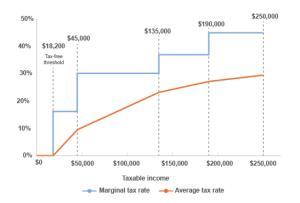
Australia uses a progressive tax system. This means your income is taxed in layers, with different segments of your earnings taxed at different rates. The more you earn, the more you pay—but only on the portion of income that falls within the higher bracket.
For example, if your income crosses the $45,000 threshold, only the income above that level is taxed at the higher rate. All income below remains taxed at the lower rates. This ensures fairness without penalising those who earn more.
Why the Word “Threshold” Feels Scary
The term “threshold” suggests a hard line or cliff, which makes people think crossing it will suddenly cost them money. In truth, it’s more like a stepping stone: a marker that signals the next tax rate applies only to income beyond that point.
Common Reactions to Moving Up a Tax Bracket
Many people experience anxiety at the idea of moving into a higher tax bracket. Understanding why this panic occurs can help put fears in perspective.
Fear of Losing Take-Home Pay
The most common fear is that moving into a higher bracket reduces your net pay. In standard income tax scenarios, this is simply not true. Your take-home pay will always increase when you earn more, even if the marginal tax rate on the additional income is higher.
Misunderstanding Marginal vs Average Tax Rates
People often confuse their marginal tax rate (the rate applied to the last dollar earned) with their average tax rate (the total tax paid divided by total income). When you move into a higher bracket, your marginal rate rises, but your average rate increases gradually. This distinction is key to understanding why earning more doesn’t reduce net income.
What Really Happens When You Cross a Tax Threshold
Let’s break down what actually changes—and what doesn’t—when your income crosses a tax threshold.
Only New Income Is Taxed at the Higher Rate
When you cross a threshold, the higher tax rate applies only to the income above that threshold. For example, if the new bracket starts at $45,000 and your income rises to $50,000, only the $5,000 above the threshold is taxed at the higher rate. The rest of your income is unaffected.
Your Take-Home Pay Still Increases
Even after applying the higher rate to the extra income, you’ll still take home more money than before. There is no scenario where crossing a standard tax threshold results in losing overall income under Australia’s progressive tax system.
Gradual Impact on Your Average Tax Rate
Your average tax rate, which represents your total tax as a percentage of total income, rises slowly as you earn more. This gradual increase prevents sudden drops in net pay and ensures fairness across income levels.
Why Some People Feel Worse Off After a Pay Rise
While crossing a tax threshold doesn’t reduce take-home pay, other factors can make it feel that way.
Reduction in Government Benefits
Many government programs, such as family tax benefits or childcare subsidies, are income-tested. When income increases, these benefits may decrease or stop, creating the impression that a higher salary leaves you worse off. This effect is caused by benefit withdrawal, not income tax thresholds.
HECS-HELP and Other Loan Repayments
HECS-HELP repayments are calculated based on income. As earnings rise, the repayment rate increases, which can reduce disposable income. Again, this is separate from tax brackets but can contribute to the feeling of losing money.
Medicare Levy and Surcharge Adjustments
Higher-income earners without private health insurance may face Medicare levy surcharges. These adjustments are often mistakenly attributed to tax brackets but operate independently.
Debunking Common Tax Threshold Myths
Many fears about moving into a higher tax bracket are based on myths. Let’s address the most common ones.
Myth 1: You Lose Money on All Your Income
Reality: Only the additional income above the threshold is taxed at the higher rate. Your previous earnings remain taxed at lower rates.
Myth 2: Earning More Can Leave You Worse Off
Reality: Even with higher marginal tax rates, your total take-home pay increases. Any perceived loss is usually due to reduced benefits or repayments.
Myth 3: You Should Avoid Extra Income
Reality: Turning down bonuses, overtime, or promotions to avoid a higher bracket usually reduces overall wealth. Earning more is almost always beneficial under a progressive system.
Smart Ways to Manage Income and Tax
Instead of panicking, there are proactive steps you can take to manage tax thresholds and maximise income.
Understand Your Marginal Tax Rate
Knowing how your income is taxed helps reduce fear and allows better planning for pay rises, bonuses, and extra work.
Use Legal Tax Strategies
Deductions, salary sacrificing, and additional super contributions can reduce taxable income while growing your long-term wealth.
Seek Professional Advice
As income rises, tax situations can become more complex. A registered tax agent or financial adviser can provide guidance to optimise your tax position and minimise surprises.
The Psychological Side of Tax Threshold Panic
Much of the anxiety around moving up a bracket is emotional rather than financial.
Fear of the Unknown
People often don’t understand how tax is calculated, so they assume the worst when income rises.
Misinformation Spreads Quickly
Simple but incorrect statements like “you’ll lose money if you earn more” are repeated frequently, creating widespread tax myths.
Overestimating Marginal Rates
Many people focus solely on the marginal tax rate of the next bracket, ignoring the fact that it only applies to income above the threshold. This exaggerates the perceived penalty of a pay rise.
Conclusion: Tax Thresholds Are Not a Penalty
Tax threshold panic is common but unnecessary. Crossing a tax threshold does not mean you’ll earn less. It simply means that additional income is taxed at a higher rate, while all previous earnings continue to be taxed at lower rates.
Understanding this distinction allows you to approach pay rises, bonuses, and promotions with confidence. Instead of fearing tax brackets, you can see them as markers of progress. By focusing on net income, utilising legal tax strategies, and seeking professional guidance when needed, you can navigate thresholds without anxiety and make the most of your earnings.
Moving up a tax bracket should be seen as a sign of growth—not a cause for panic.