
FBT Planning for EOFY: Tips for Smart Employers
For Australian employers, the end of the financial year (EOFY) is a crucial time to review and plan for Fringe Benefits Tax (FBT). Effective FBT planning not only ensures compliance with the Australian Taxation Office (ATO) but can also help reduce your tax liabilities and improve cash flow. Whether you run a small business or a large corporation, smart EOFY FBT strategies can make a significant difference. In this guide, we’ll explore essential tips for employers to manage FBT efficiently as the EOFY approaches.
Understanding FBT and Why EOFY Planning Matters
Fringe Benefits Tax is a tax employers pay on certain non-cash benefits provided to employees or their associates. These benefits can range from company cars to entertainment expenses and loans. Unlike income tax, FBT is calculated on a separate tax year that runs from April 1 to March 31, which often causes confusion around EOFY planning.
The FBT Year vs. the Financial Year
It’s important to note that the FBT year does not align with the standard financial year. The FBT year runs from April 1 to March 31, while the financial year ends on June 30. This means EOFY planning for FBT requires employers to prepare well before June 30 to meet ATO deadlines.
Why Plan for FBT at EOFY?
Effective planning can help you:
- Ensure accurate calculation of FBT liability
- Identify and utilise available exemptions or concessions
- Avoid costly penalties and interest for late or incorrect lodgement
- Improve cash flow management by budgeting for FBT payments
- Align your business benefits with tax-efficient practices
Key FBT Planning Tips for Employers
Here are some practical tips to help employers navigate FBT planning at EOFY effectively.
1. Review Your Fringe Benefits and Records
Start by conducting a thorough review of all fringe benefits provided during the FBT year (April 1 to March 31). This includes:
- Company cars and vehicles
- Entertainment expenses
- Loan agreements
- Housing or accommodation provided
- Expense reimbursements
Ensure that all relevant documentation such as invoices, receipts, employee declarations, and logbooks are accurate and up to date. The ATO requires detailed records to substantiate FBT claims.
2. Take Advantage of Exemptions and Concessions
The ATO offers several exemptions and concessions that can reduce your FBT liability. These include:
- Minor Benefits Exemption: Benefits valued under $300 and provided infrequently may be exempt.
- Work-Related Items: Tools, laptops, mobile phones used primarily for work purposes.
- Electric Vehicle Concessions: Eligible low or zero-emission vehicles may attract reduced or no FBT.
- Not-for-Profit Concessions: Eligible charities may receive FBT rebates or exemptions.
Review your benefits and confirm whether any qualify for these exemptions. Proper documentation is essential to support your claims.
3. Consider Salary Packaging Options
Salary packaging allows employees to receive benefits in a tax-effective way. EOFY is an excellent time to review your salary packaging arrangements to optimise FBT outcomes.
- Consider offering benefits that attract no or reduced FBT.
- Ensure salary packaging agreements are current and compliant with legislation.
- Communicate clearly with employees about how packaging impacts their pay and tax.
4. Revisit Your Car Fringe Benefits
Company cars often represent the largest portion of FBT liability for many businesses. At EOFY, review the use of company vehicles by:
- Checking logbooks for accuracy and completeness.
- Ensuring private and business use are correctly apportioned.
- Considering alternatives such as reimbursing mileage instead of providing vehicles.
- Exploring electric or low-emission vehicles for potential FBT concessions.
5. Plan for Payment and Lodgement Deadlines
FBT returns must be lodged, and payments made, by May 21 each year if lodging yourself, or June 25 if lodging through a registered tax agent. EOFY planning includes budgeting for these payments to avoid penalties or interest charges.
Set reminders for these deadlines and ensure your accounting or payroll systems are prepared to handle FBT calculations and reporting.
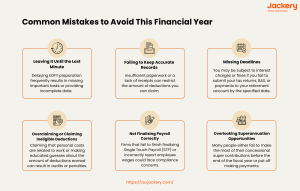
Common Mistakes to Avoid in EOFY FBT Planning
Many employers fall into traps that increase their FBT liability or lead to compliance issues. Here are some pitfalls to watch out for:
1. Confusing the FBT Year with the Financial Year
As mentioned, the FBT year differs from the financial year. Avoid using June 30 as your cutoff for FBT calculations—this will lead to errors and potential penalties.
2. Incomplete or Missing Records
Failing to maintain proper records, such as car logbooks or receipts for benefits, can result in higher taxable values or disallowed exemptions.
3. Overlooking Exemptions
Many employers fail to claim valid exemptions, increasing their FBT bills unnecessarily. Review all benefits carefully for potential concessions.
4. Poor Communication with Employees
Employees should understand the impact of salary packaging and fringe benefits on their tax and pay. Lack of communication can cause dissatisfaction and errors in declarations.
How Professional Advice Can Help
FBT rules are complex and subject to frequent changes. Consulting with a qualified accountant or tax advisor experienced in FBT can provide:
- Tailored advice for your specific business circumstances
- Help with strategic planning to minimise tax liabilities
- Assistance in preparing and lodging accurate FBT returns
- Support in managing audits or disputes with the ATO
Investing in expert advice at EOFY can save you time, money, and stress down the track.
Conclusion
Effective Fringe Benefits Tax planning at EOFY is essential for Australian employers who want to stay compliant and optimise their tax position. By reviewing your benefits, maintaining accurate records, utilising exemptions, and planning for deadlines, you can manage your FBT obligations confidently.
Remember that FBT planning is not a once-a-year task—it should be integrated into your ongoing business practices. With careful attention and professional support, you can ensure your business remains on track and ready for the year ahead.